How to Create a Good-Better-Best Specialty Business Card Proposal
When a client asks for business cards, the easiest answer is often paper.
It’s familiar. It’s inexpensive. And with online printers making basic paper cards incredibly easy to order, it’s also difficult for a reseller to differentiate on paper alone.
That’s exactly why a good-better-best business card proposal can be so useful.
Instead of competing over who can provide the cheapest stack of paper cards, you can show your client what happens when they put a little more into the piece representing their business.
The idea is simple:
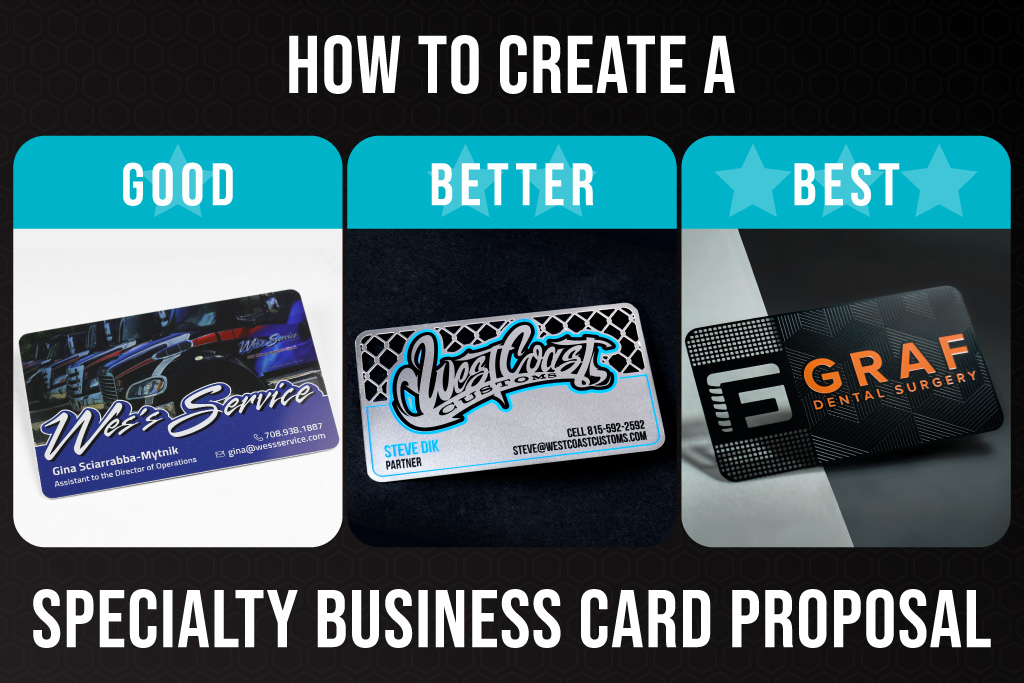
BASIC: Paper
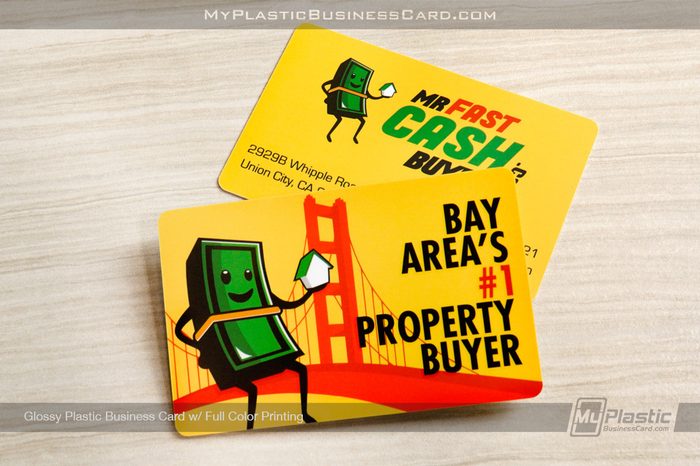
GOOD: Glossy plastic
BETTER: Specialty plastic or stainless steel
BEST: Fully custom premium metal
You’re not forcing the client into the most expensive option. You’re giving them a clear progression and letting them decide how much impact they want their card to make.
For print resellers, promotional product distributors and agencies, that can make specialty cards much easier to introduce and much easier for clients to say yes to.
Why A Good-Better-Best Business Card Proposal Works for Specialty Cards
Ask a client whether they want to spend more on their business cards and the natural reaction may be, “Why would I?”
Show them three physical options side by side and the conversation changes.
Now they can compare.
They can feel the difference between paper, plastic, and metal. They can see what foil does on a matte plastic card. They can hold a stainless steel card and immediately understand why it isn’t competing in the same category as a standard paper card.
Most importantly, you’re no longer selling solely on price.
You’re presenting different levels of value.
That makes a good-better-best business card proposal approach particularly useful when you’re proposing cards for executives, sales teams, real estate professionals, luxury brands, hospitality businesses, automotive companies, contractors or anyone else whose business depends heavily on networking and personal presentation.
Here’s how you can build the proposal.
BASIC: Standard Paper Business Cards
Paper establishes your baseline.
There’s nothing wrong with a traditional paper business card when the primary goal is simply getting contact information into someone’s hands. But it has also become a commodity.
Clients can find inexpensive paper cards almost anywhere, and large online printing companies have made ordering them incredibly simple.
For resellers, that means paper can be a difficult category in which to compete on the product alone.
Instead of making paper the focus of your proposal, use it to establish what the client already knows.
The positioning:
“This is the traditional option. Now let me show you what we can do when you want the card itself to make more of an impression.”
That transition opens the door to specialty materials without immediately jumping from an inexpensive paper card to your most premium metal option.
GOOD: Glossy Plastic Business Cards
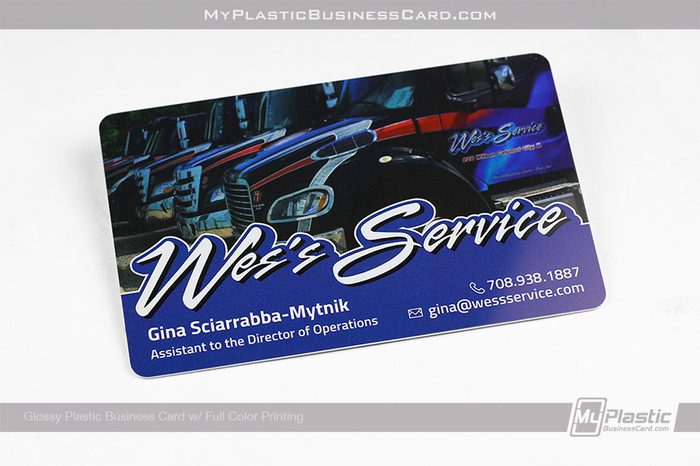
Glossy plastic is an easy first step into specialty cards.
The material immediately feels sturdier and more substantial than paper while still looking familiar enough that it doesn’t require a major design departure.
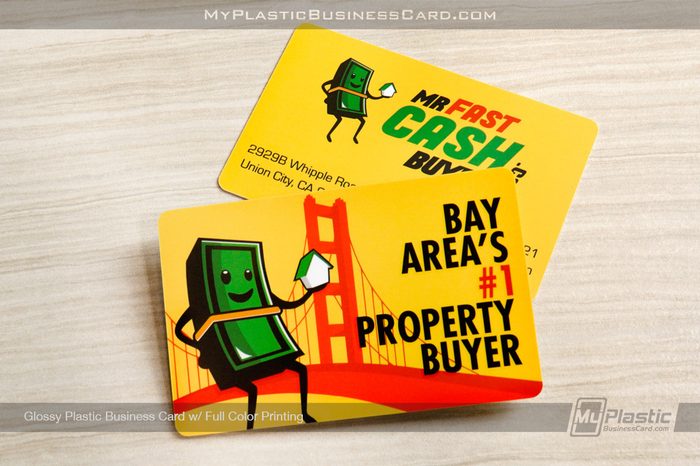
Full-color printing also gives you plenty of flexibility for logos, photography, gradients, and other brand elements.
For a business that wants something more polished and durable without going all the way to metal, glossy plastic can hit the sweet spot.
It’s also an easy upgrade to demonstrate.
Put a paper card and plastic card in the client’s hands at the same time. You don’t have to spend five minutes explaining the difference. They can feel it.
Sell glossy plastic on:
- Increased durability
- A sturdy, professional feel
- Full-color branding possibilities
- A noticeable upgrade from standard paper
- An approachable entry point into specialty cards
One important distinction is design. A basic glossy plastic card can sometimes drift toward a gift-card appearance if the design isn’t intentional. That’s where your next tier creates another opportunity.
BETTER: Specialty Plastic Business Cards
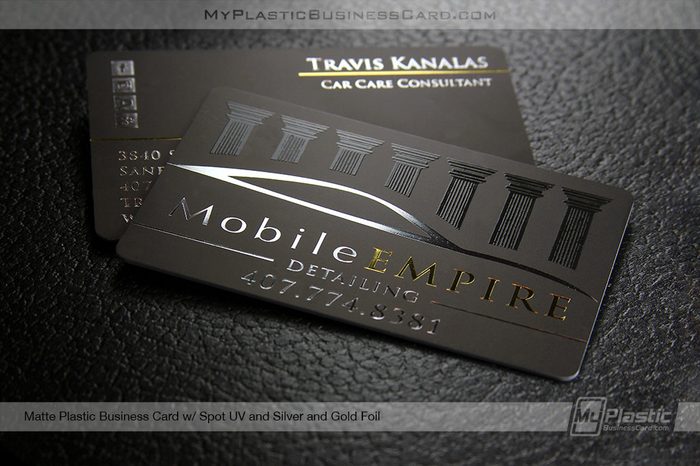
Once a client is interested in plastic, show them what happens when the material becomes part of the design.
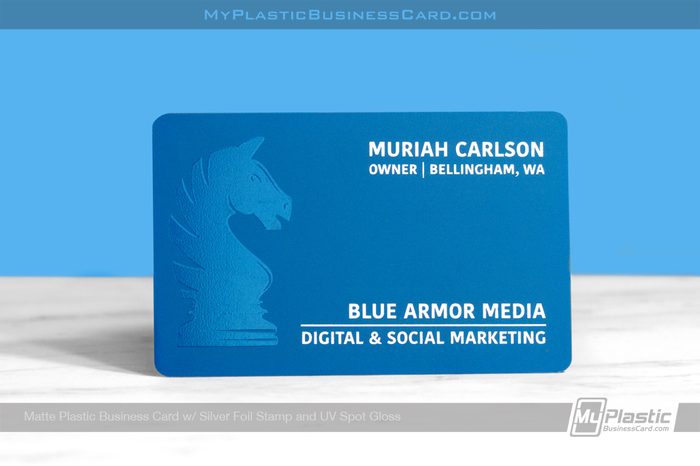
Instead of standard glossy plastic, consider clear or matte plastic cards combined with enhancements such as foil or spot gloss.
Those details can completely change the finished piece.
A clear section can interact with a logo or graphic. Foil can create a metallic focal point. Spot gloss can make a logo, pattern or piece of typography appear differently as the card moves through the light.
The result feels much more intentional and custom.
This is where you’re no longer simply selling a more durable business card. You’re helping your client create something specifically designed to represent their brand.
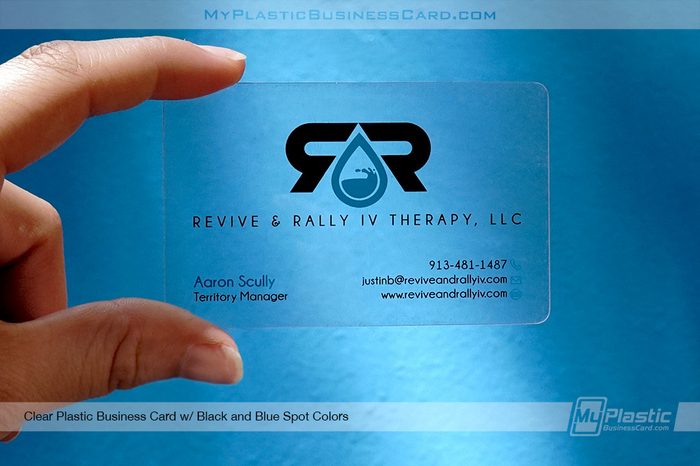
The positioning:
“If you like the durability of plastic but want something that feels more custom, we can use the material and finishing details as part of the design.”
That distinction can be especially valuable for beauty, fashion, hospitality, creative services, events, and other highly visual brands.
BETTER: Natural Stainless Steel Business Cards
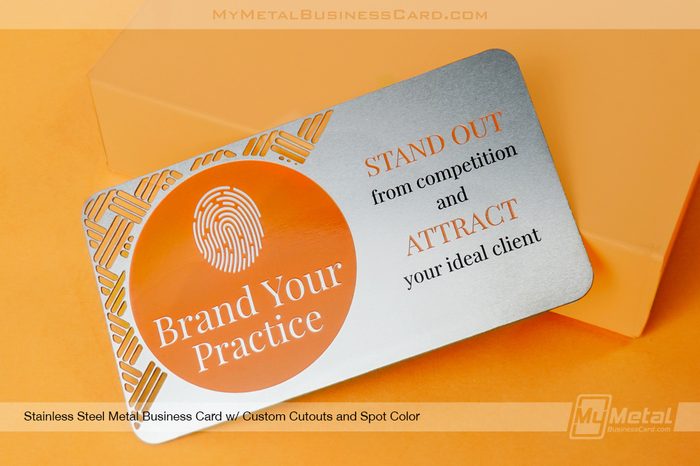
Not every proposal needs to move from plastic directly to your most elaborate metal card.
Natural stainless steel creates another strong middle option.
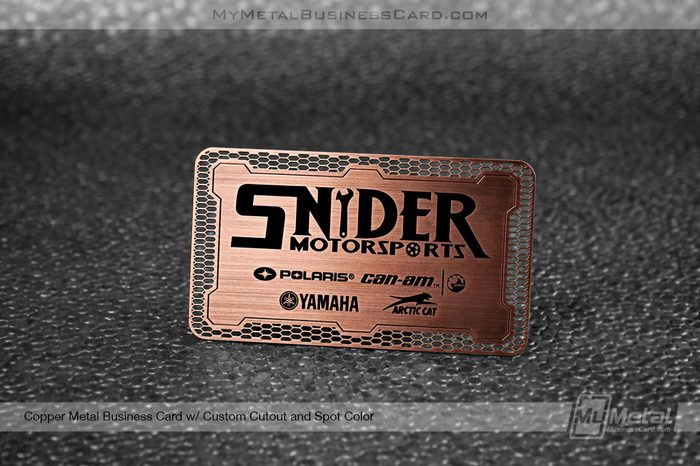
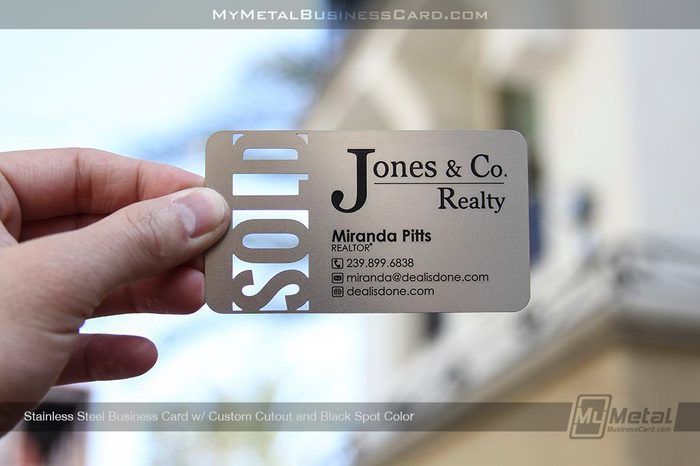
It’s unmistakably metal the moment someone picks it up. The weight, temperature, and feel of stainless steel make the card fundamentally different from paper or plastic.
At the same time, the raw material gives it a clean, slightly industrial character that works particularly well for certain brands.
Think:
Architecture. Construction. Engineering. Automotive. Manufacturing. Technology. Design.
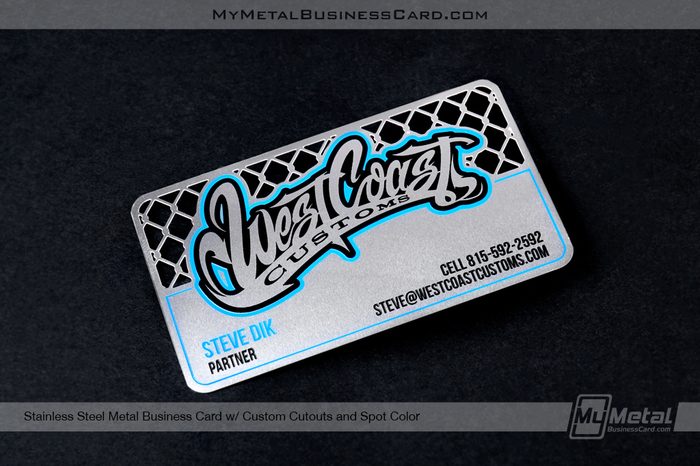
The material itself can reinforce what the company does.
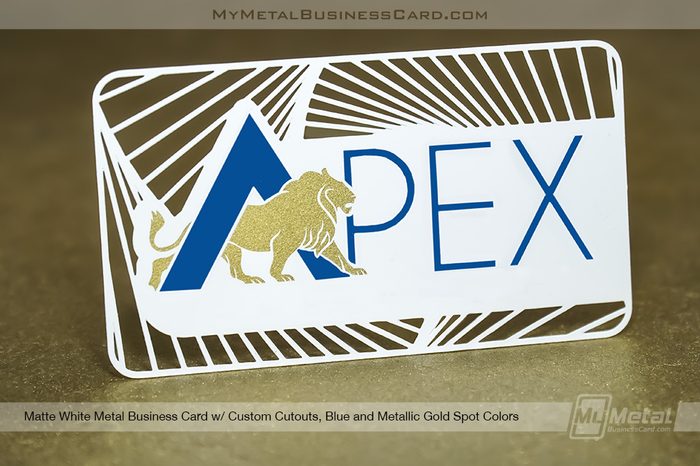
Stainless steel cards can also be customized rather than simply printed like a traditional card. Depending on the design, you can incorporate processes such as etching, printing and cut-through areas to make the physical card part of the branding.
That’s a powerful selling point for a reseller.
You’re not showing the client a business card printed on a different stock.
You’re showing them a completely different product.
BEST: Fully Custom Premium Metal Business Cards
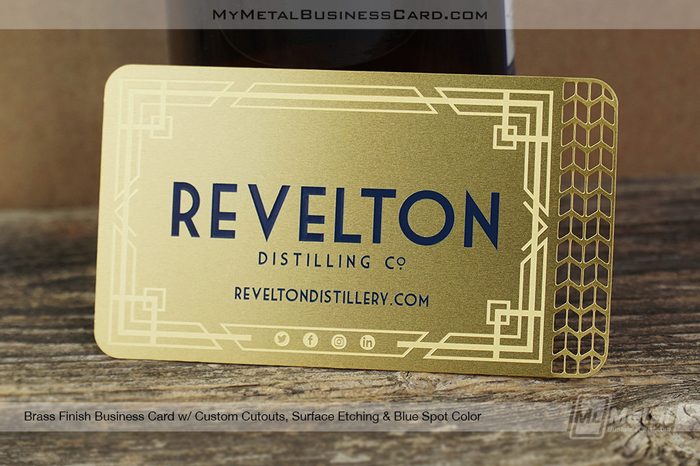
This is the showpiece.
When a client wants their business card to communicate premium positioning before someone reads a single word, this is where you take them.
Matte black metal is an especially strong starting point.
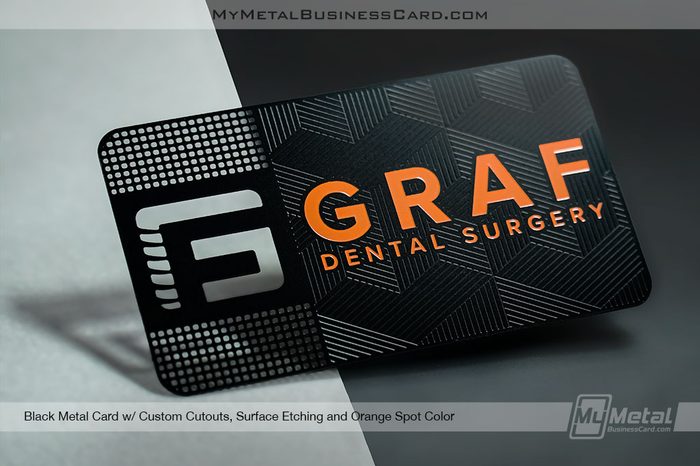
It’s sleek, substantial, and immediately feels like a VIP-level piece. But the biggest advantage of premium metal isn’t simply choosing black instead of stainless steel.
It’s how far you can take the customization.
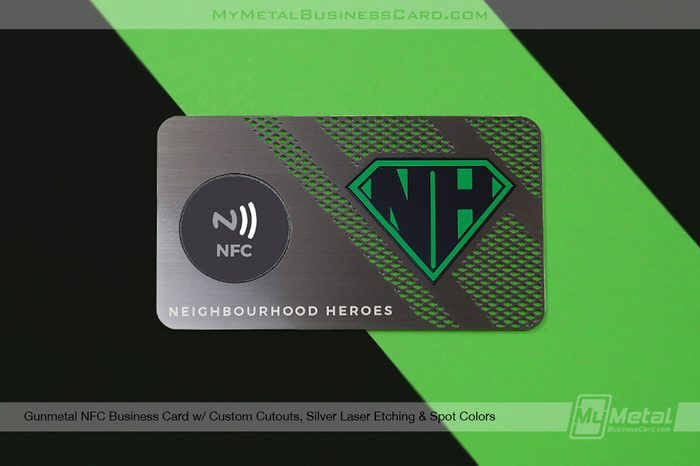
Depending on the card and project, you can incorporate branded colors, custom cut-through areas, etching, specialty finishes and other design details that make the finished piece feel completely specific to that company.
This is the tier where you should think beyond “business cards.”
Think about the client’s brand.
Could a construction company incorporate a structural pattern? Could a luxury brand use a restrained black-on-black design? Could a company turn part of its logo into a cut-through area? Could a membership-based business make its cards feel closer to VIP credentials?
The positioning:
“If the goal is to hand someone something they’re unlikely to throw away, this is the option I’d recommend.”
For the right client, that’s the real value of premium metal.
The card doesn’t simply deliver information. It becomes part of the experience of meeting the company.
Don’t Just Send Three Prices
Here’s where the good-better-best business card proposal becomes particularly useful for resellers.
Avoid turning your proposal into this:
Option A: $X
Option B: $XX
Option C: $XXX
If price is the only visible difference, clients will naturally compare the numbers.
Instead, give every level a purpose.
For example:
GOOD – Professional Upgrade
Glossy Plastic
Best for a company that wants greater durability and a more substantial card without moving too far from a traditional full-color design.
BETTER – Custom Brand Piece
Specialty Plastic or Natural Stainless Steel
Best for a company that wants the material, finish, or specialty details to become part of the card’s design.
BEST – Premium Statement Piece
Custom Black or Premium-Finish Metal
Best for executives, VIPs, sales teams and brands that want the card itself to reinforce a premium position.
Now the client isn’t simply deciding how much they want to spend.
They’re deciding which objective sounds most like them.
Build the Proposal Around the Client
Your three tiers don’t have to be identical for every customer.
In fact, they shouldn’t be.
If you’re pitching a high-end salon, your better option might be matte plastic with foil.
If you’re pitching an architectural firm, natural stainless steel may make much more sense.
If you’re working with a luxury real estate brokerage, black metal could be the obvious best option.
Use the client’s industry, brand identity, audience, and reason for ordering to choose which products you present.
A simple framework is:
1. What do they use now?
Establish your baseline.
2. Where and how are the cards handed out?
A front-counter card and a card handed to a potential six-figure client may deserve very different budgets.
3. What should the card communicate about the business?
Professional? Creative? Industrial? Luxury? Cutting-edge?
4. Which material reinforces that position?
Now recommend your good, better, and best options.
This makes the proposal feel consultative rather than transactional.
Give Them Something They Can Hold
Specialty cards are tactile products.
Use that to your advantage.
If possible, don’t rely entirely on a PDF, email or digital rendering to sell the upgrade. Put samples in your client’s hands.
Let them bend the plastic.
Let them feel the weight of stainless steel.
Let them rotate a foil or spot-gloss card under the light.
Let them hold a matte black metal card.
The more unusual the material or finishing process, the more valuable a physical sample becomes. Features that might require several sentences to explain can become immediately obvious once someone experiences them.
Consider Mixing Tiers Within One Company
There’s another way to use a good-better-best business card proposal that doesn’t require the client to choose only one.
Different people within the same company may need different cards.
A larger organization could use:
Glossy plastic for high-volume everyday distribution
Specialty plastic or stainless steel for sales representatives
Premium black metal for executives, owners or VIP meetings
Now your proposal isn’t necessarily asking, “Which card should your company order?”
It’s asking, “Who within your company need each level?”
For resellers working with larger accounts, this can open the door to a much broader specialty card program.
Make “Best” Aspirational, Not Excessive
Your premium option has another important job even when the client doesn’t select it.
It creates context.
Without a premium metal option on the page, specialty plastic might look expensive compared with paper.
Place it between paper and a fully customized metal card, and suddenly it becomes the middle choice.
That’s the strength of the good-better-best business card proposal structure.
You’re giving clients permission to choose their comfort level while making sure they understand what’s possible.
And sometimes the client you expected to choose “good” will pick up the matte black metal sample and say:
“How do we get these?”
That’s a much better sales conversation than trying to beat an online paper printer by a few cents per card.
Turn Business Cards into a Specialty Print Opportunity
Basic paper cards may be easy for your clients to buy on their own.
Specialty cards give you an opportunity to offer something different.
Start with glossy plastic as an accessible upgrade. Introduce clear, matte, foil, and spot gloss when the design needs more personality. Bring in natural stainless steel when the material fits the brand. And when the client wants something at the top of the line, show them what fully customized premium metal can do.
You don’t have to convince every customer to buy the “best.”
Give them a good option, a better option and a best option and help them see the difference.
Ready to build your own specialty card proposal? Explore our wholesale plastic and metal business card options and start putting together samples your clients can see, feel and compare.