Metal Business Cards vs. Plastic Business Cards vs. Wood Business Cards: What Should You Recommend?
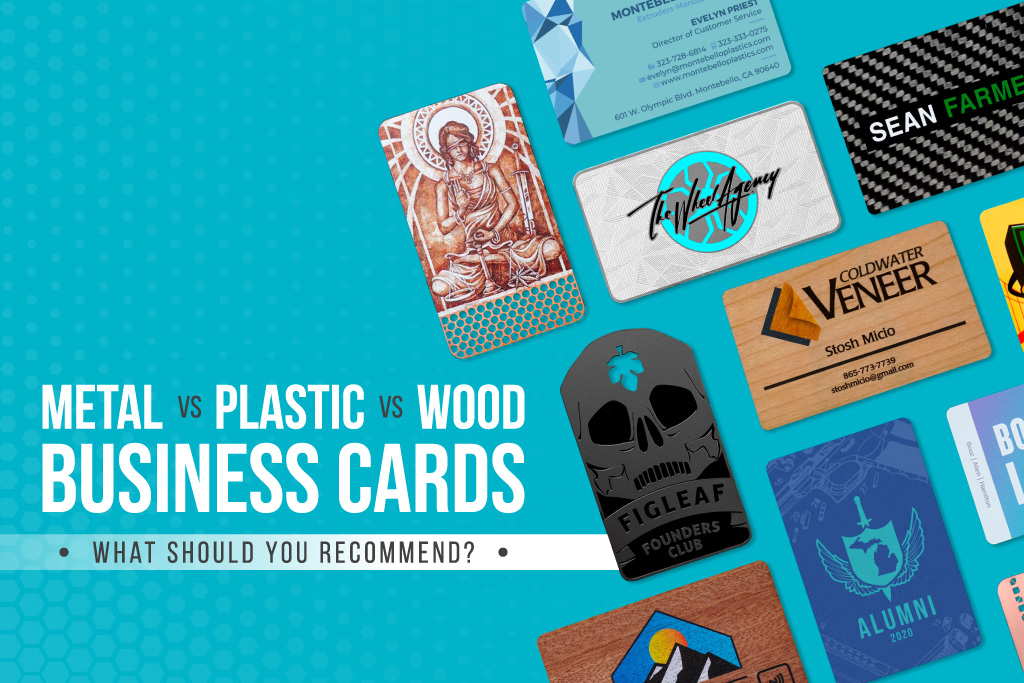
When a customer asks which business card material is best, the answer is rarely one-size-fits-all.
Metal, plastic, and wood business cards each appeal to different customers, budgets, industries, and ordering needs. As a wholesaler, your job is not simply to recommend the most expensive option. It is to help your customers choose the business card materials that best fits their brand, audience, and intended use.
Understanding the strengths of each material also makes it easier to present upgrades, suggest complementary products, and build larger orders.
Metal Business Cards: The Premium Choice
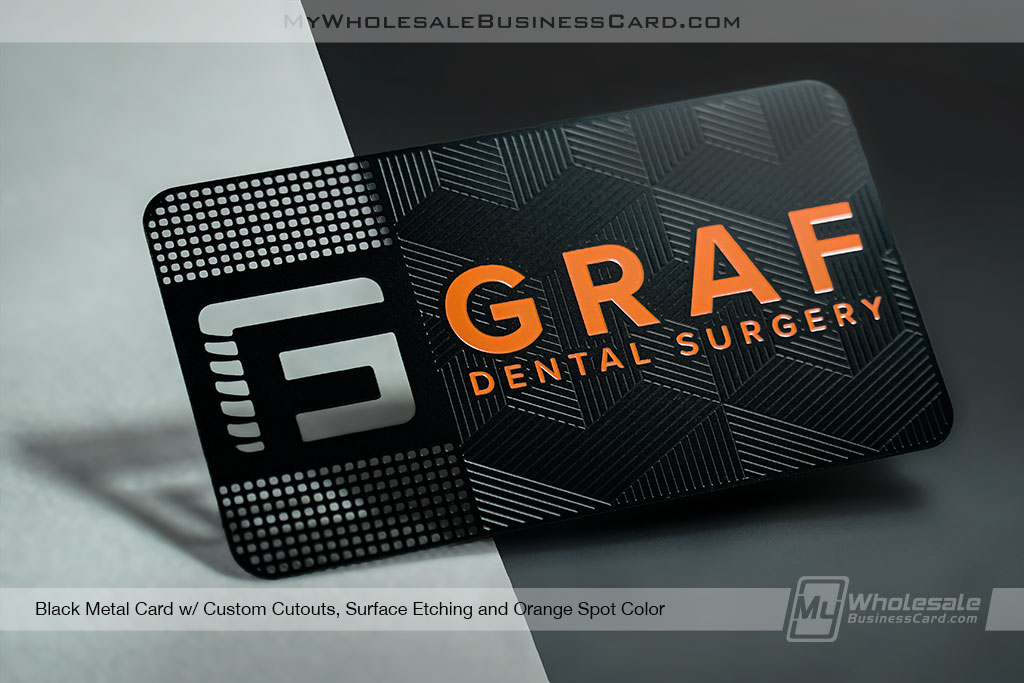
Metal business cards are the strongest recommendation for customers who want to make an immediate impression.
They have a noticeable weight, a premium feel, and a level of durability that traditional paper and plastic cards cannot match. Metal cards are especially effective for business owners, executives, sales professionals, luxury brands, and anyone who relies heavily on networking.
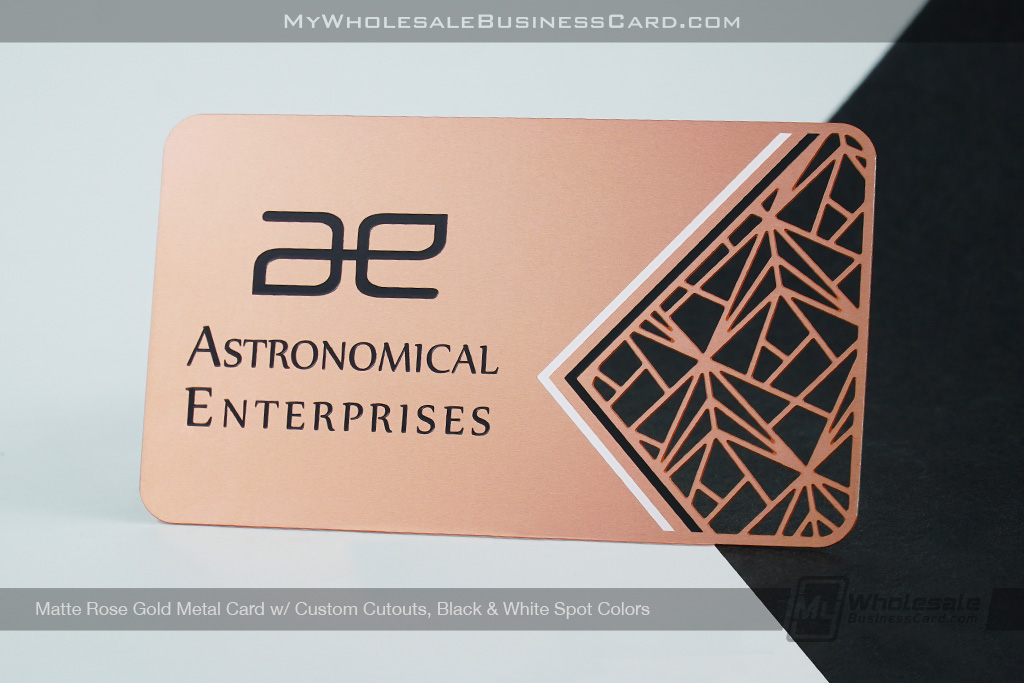
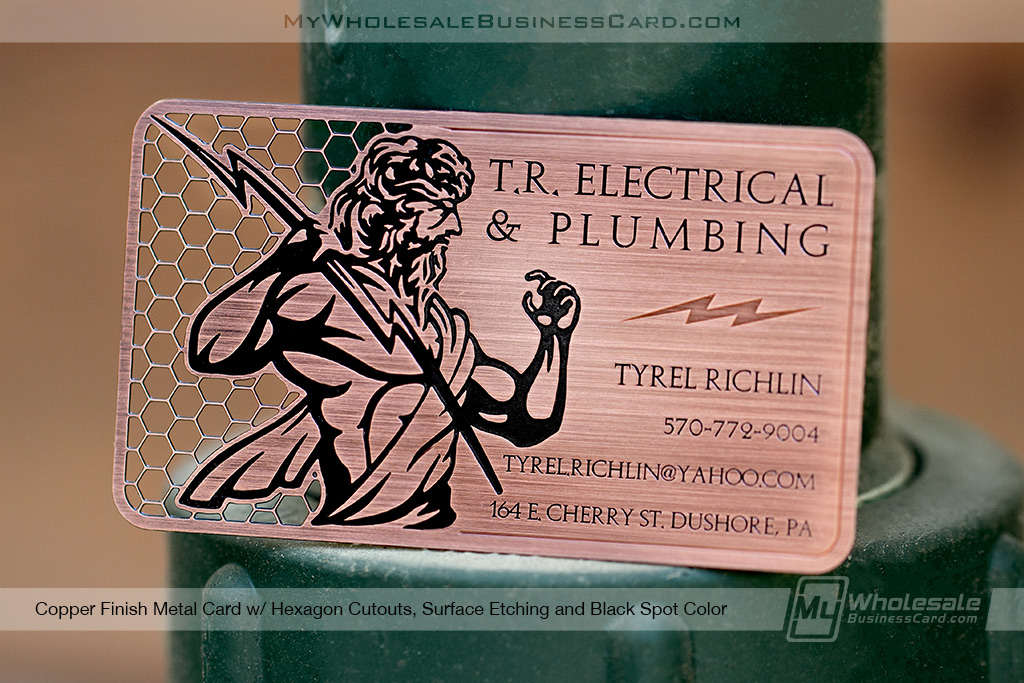
Metal also offers the greatest range of customization possibilities. Depending on the card style, customers can choose from features such as:
- Custom cutouts
- Engraved or etched details
- Full-color printing
- Brushed, matte, polished, or textured finishes
- Custom shapes
- Metallic colors and specialty coatings
- QR codes and contactless features
Because of the materials and manufacturing involved, metal business cards are typically the most expensive option. However, the higher price can be justified by their longevity and perceived value.
A customer may hand out fewer metal cards than standard business cards, but each card is more likely to be remembered, kept, and shown to others.
When to Recommend Metal Cards
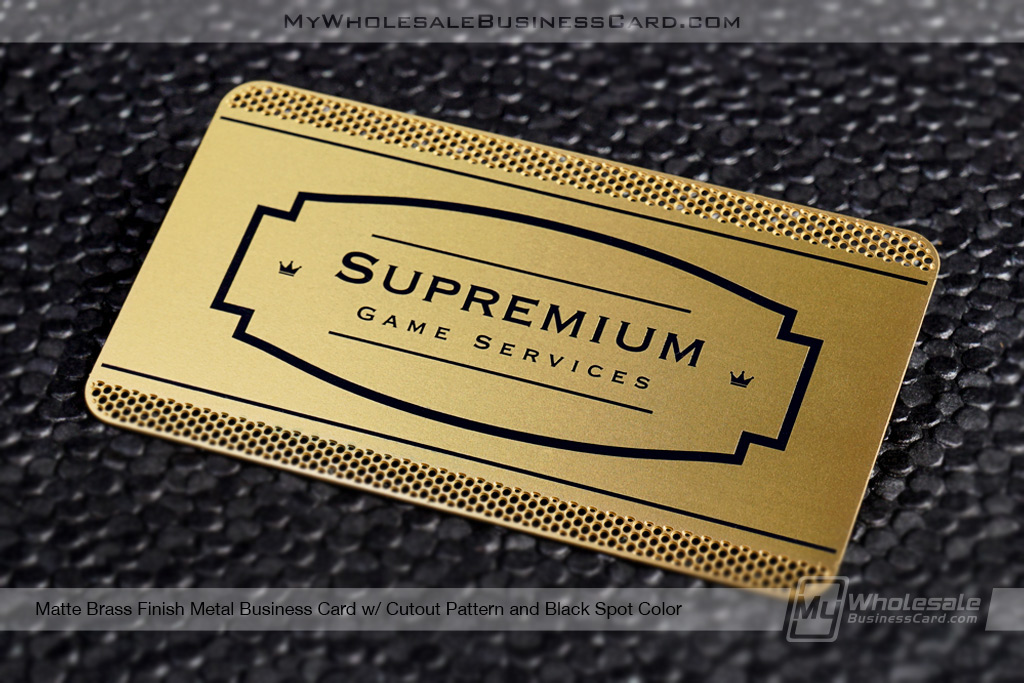
Metal business cards are ideal for customers who:
- Want the most premium presentation
- Need to stand out in a competitive industry
- Attend networking events, trade shows, or client meetings
- Prefer advanced customization options
- Are targeting high-value customers
- Want their business card to feel like a branded keepsake
Metal cards work especially well for real estate agents, consultants, attorneys, financial professionals, luxury service providers, automotive businesses, executives, and high-end contractors.
They are also an excellent option for company leadership, sales teams, and customer-facing employees who need a stronger first impression.
Plastic Business Cards: The Practical Bulk Option
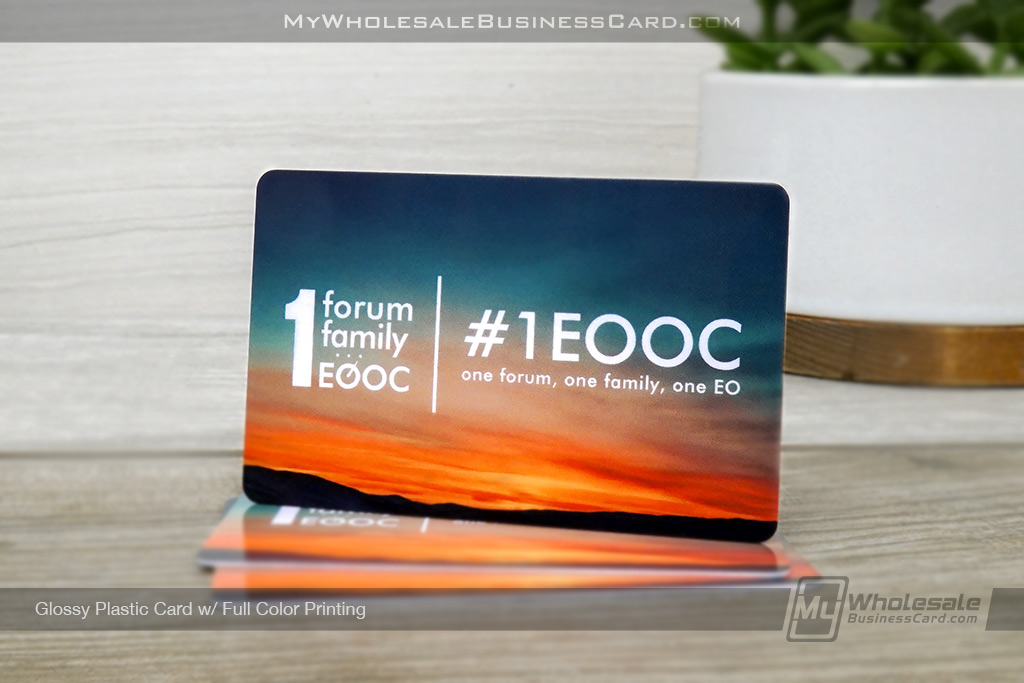
Plastic business cards offer a strong balance between durability, customization, and price.
They are more resistant to moisture, bending, and everyday wear than paper cards, but they remain affordable enough for larger company-wide orders. This makes plastic a practical choice for businesses that need cards for many employees, locations, departments, or events.
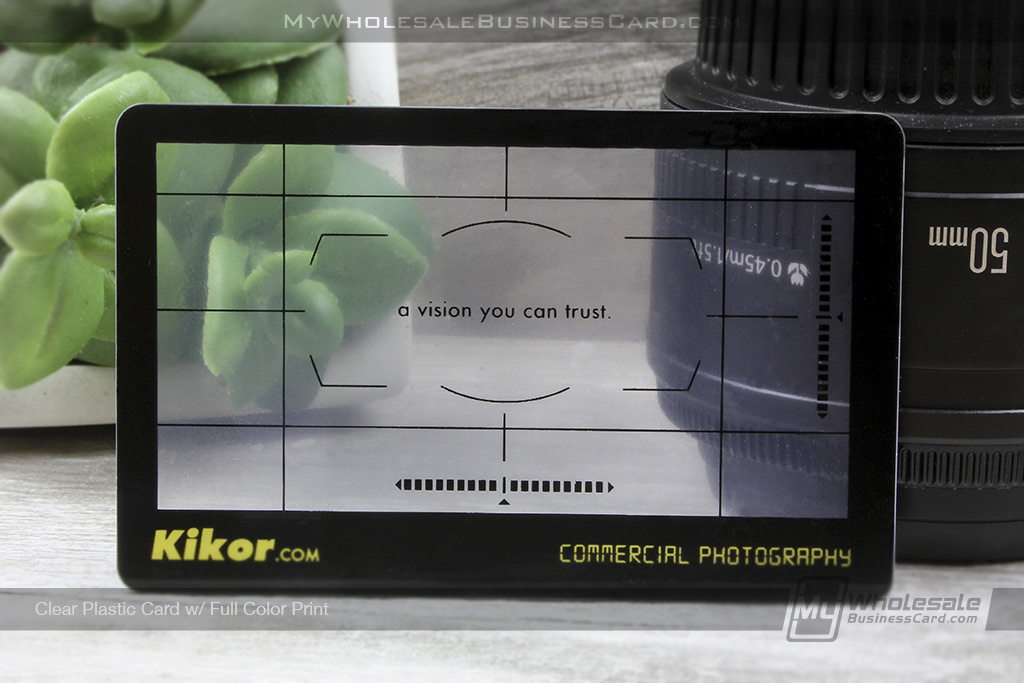
Plastic cards can also support vibrant full-color designs, transparent or frosted effects, rounded corners, QR codes, and other modern features.
For customers who want something more durable than paper without moving into the premium metal price range, plastic is often the easiest recommendation.
When to Recommend Plastic Cards
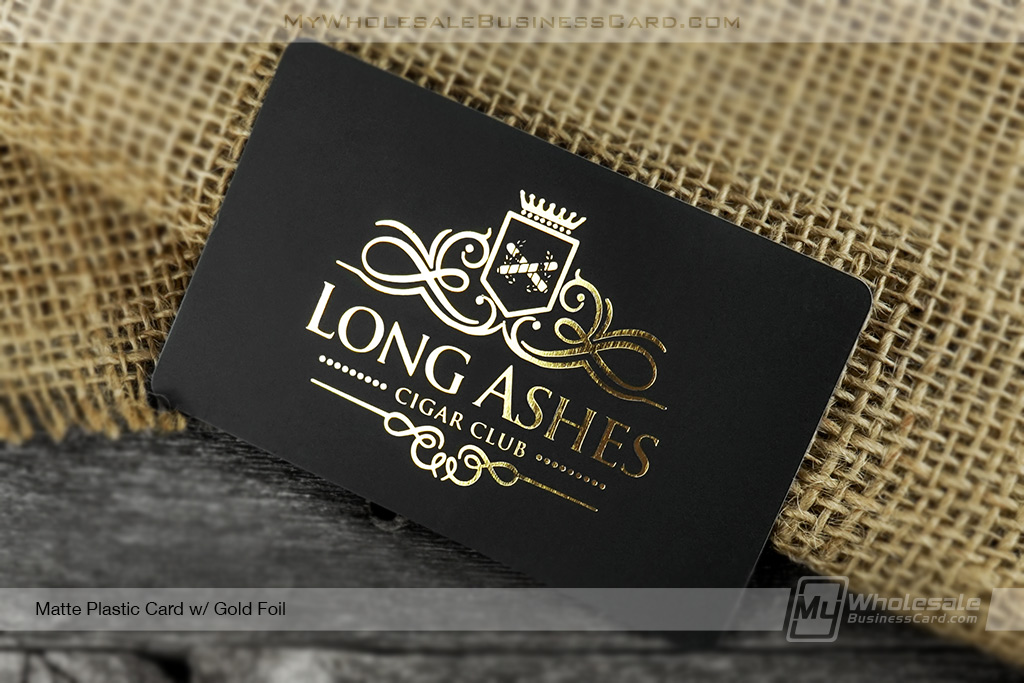
Plastic business cards are ideal for customers who:
- Need larger quantities
- Are ordering cards for an entire company
- Have multiple employees or locations
- Want a durable card at a lower price point
- Use bright, colorful, or highly visual branding
- Need cards for promotions, events, loyalty programs, or frequent distribution
Plastic cards are especially useful for restaurants, retail businesses, fitness studios, salons, service companies, franchises, property management teams, and organizations with large sales or support departments.
Pairing Metal and Plastic Cards
Customers do not always have to choose between metal and plastic.
One of the strongest recommendations a wholesaler can make is to use both materials strategically.
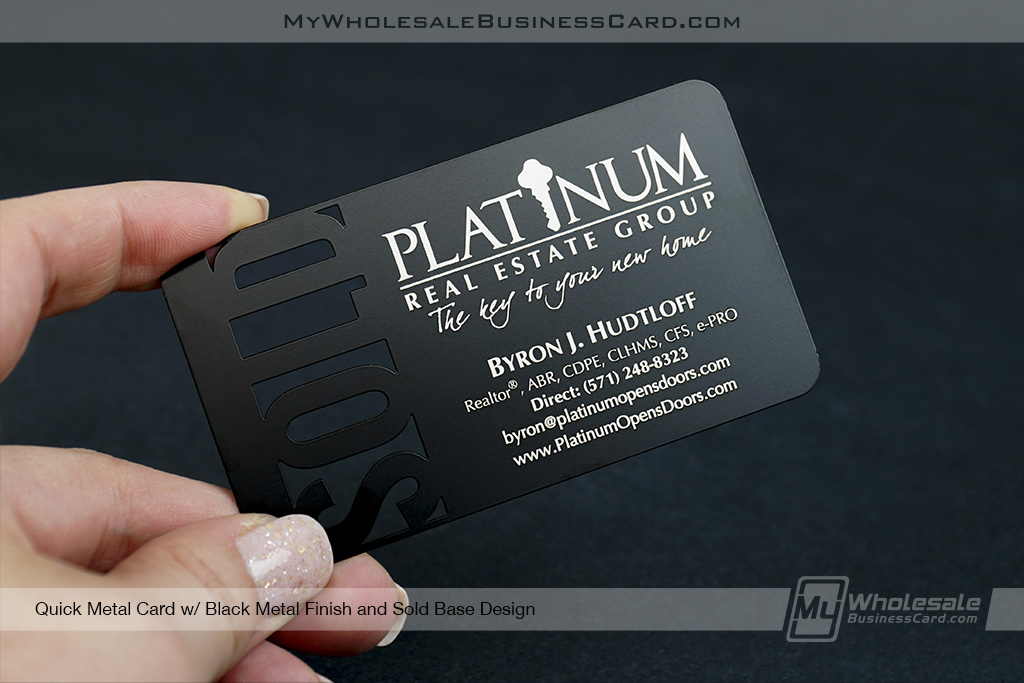
For example, a company can order metal business cards for owners, executives, senior sales representatives, or high-value client meetings. The same company can order supplemental plastic cards for employees, events, mailers, front desks, and everyday distribution.
This approach allows the customer to maintain a premium brand presence while controlling the overall cost of the order.
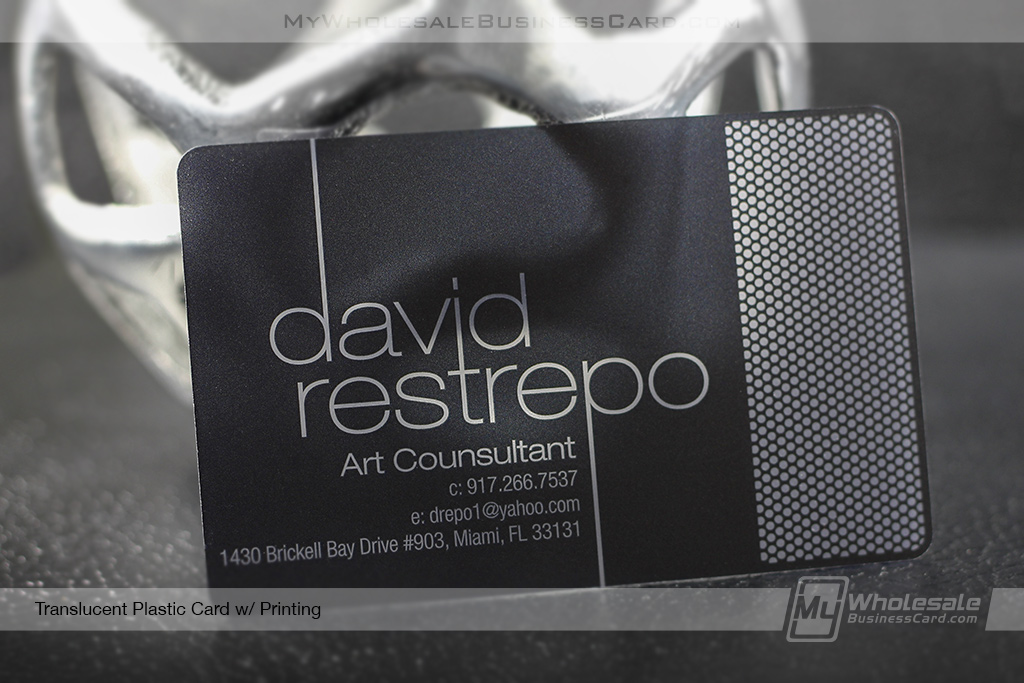
It also creates a natural upselling opportunity. Instead of reducing the metal quantity to meet the customer’s budget, you can recommend a smaller premium metal order supported by a larger plastic order.
This combination is particularly effective for:
- Real estate offices
- Construction companies
- Automotive dealerships
- Financial firms
- Multi-location businesses
- Sales organizations
- Trade show exhibitors
Wood Business Cards: The Distinctive and Natural Option
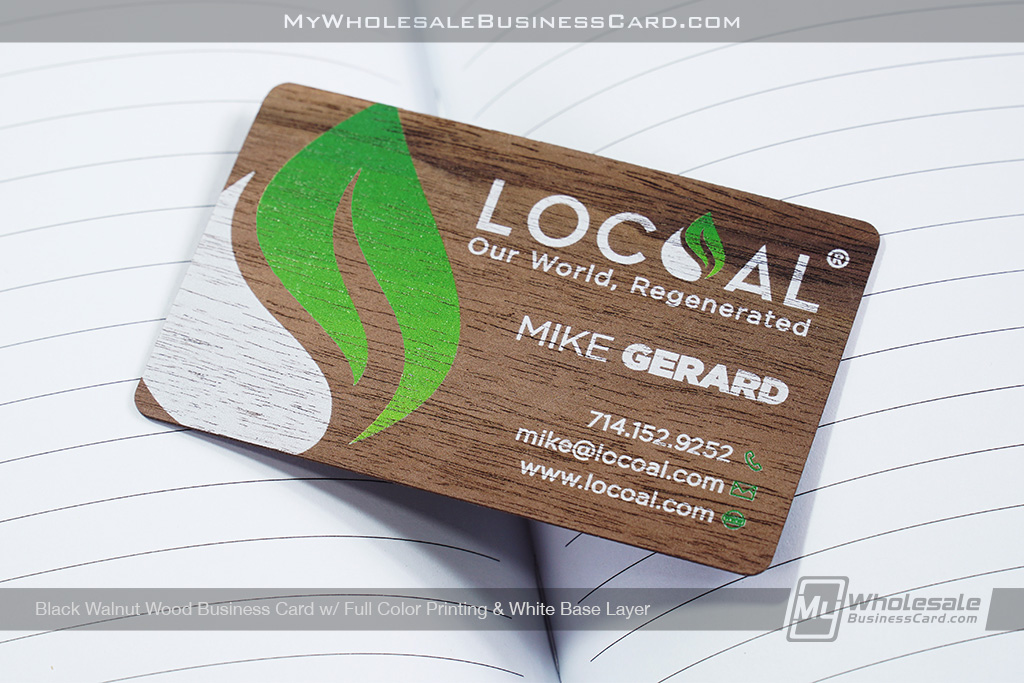
Wood business cards appeal to a more specific audience, but for the right customer, they can be the perfect fit.
Each wood card has its own natural grain and texture, giving it a handcrafted and organic appearance. This makes wood cards especially effective for businesses that want to communicate craftsmanship, sustainability, outdoor expertise, or a connection to natural materials.
Wood business cards are often popular with professionals in industries such as:
- Carpentry
- Custom furniture
- Cabinetry
- Landscaping
- Roofing
- Construction
- Architecture
- Outdoor recreation
- Agriculture
- Craft food and beverage
- Eco-conscious products
- Handmade goods
A wood card can immediately reinforce what a company does. For a carpenter, landscaper, roofer, or custom builder, the material itself becomes part of the brand message.
When to Recommend Wood Cards
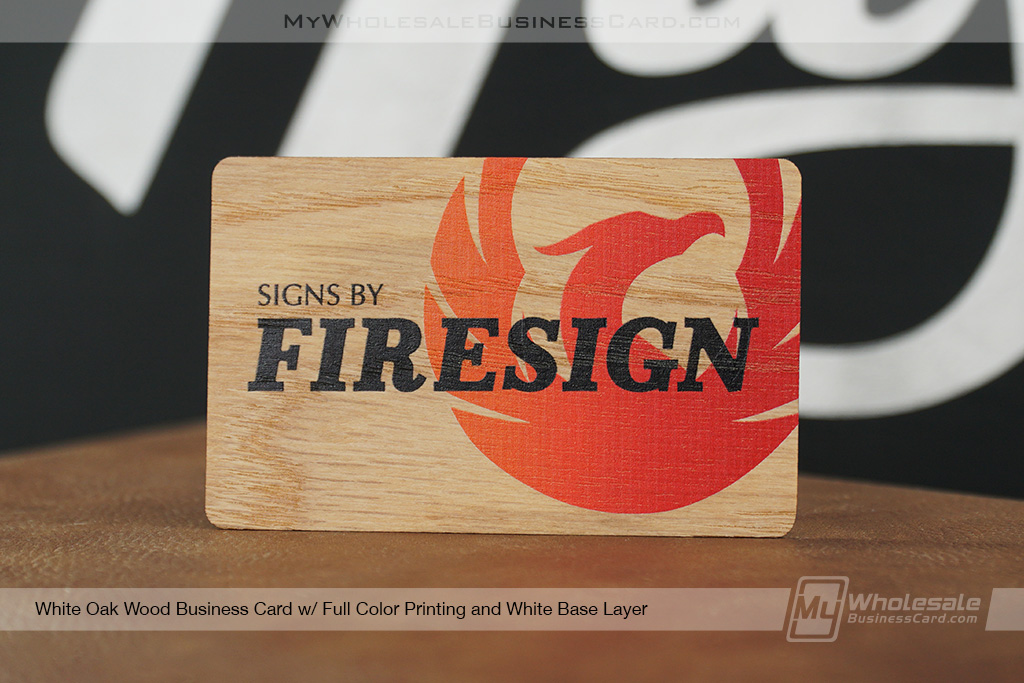
Wood business cards are ideal for customers who:
- Want something uncommon and memorable
- Work in a trade connected to wood, construction, or the outdoors
- Have a rustic, natural, handcrafted, or environmentally focused brand
- Prefer texture and organic variation
- Want their business card material to reflect their industry
Wood may not provide the same polished luxury feel as metal or the same bulk-order practicality as plastic. Its strength is authenticity.
For the right brand, wood feels more personal, relevant, and distinctive than either of the other options.
How to Help a Customer Choose
When recommending business card materials, begin by asking how the cards will be used.
Customers ordering cards for occasional executive meetings have very different needs from a company ordering cards for 200 employees.
Consider the following factors:
1. Budget
Metal is generally the highest-priced option; plastic is usually the most economical for larger quantities, and wood falls somewhere between/into a more specialized category.
Do not focus only on the cost per card. Help customers think about how many cards they actually need and who will receive them.
2. Quantity
For high-impact orders of any size, metal is often the strongest recommendation.
For large employee orders or frequent distribution, plastic usually offers better scalability.
Wood works best for targeted orders where the material strongly supports the customer’s branding.
3. Brand Positioning
A luxury brand may benefit from metal. A colorful, modern company may prefer plastic. A contractor, craftsman, or outdoor business may connect more naturally with wood.
The card should feel consistent with the company’s website, logo, services, and target market.
4. Distribution
Ask whether the customer plans to hand cards to a select group of prospects or distribute them in large numbers.
Metal cards are often reserved for stronger leads and important connections. Plastic cards are easier to distribute broadly. Wood cards work well when a memorable, industry-specific presentation matters.
5. Customization
Customers who want advanced cutouts, engraving, specialty finishes, and a premium tactile experience will usually be happiest with metal.
Customers focused on full-color artwork, transparency, and affordability may prefer plastic.
Customers who want natural grain and a handcrafted appearance should consider wood.
A Simple Recommendation Guide for Best Business Card Materials
Recommend metal business cards when the customer wants the most premium, customizable, and memorable option.
Recommend plastic business cards when the customer needs durability, full-color branding, larger quantities, or a more affordable company-wide solution.
Recommend wood business cards when the customer wants a distinctive natural product that connects closely with their trade, audience, or brand identity.
Recommend a metal and plastic combination when the customer wants premium cards for key team members and lower-cost supplemental cards for broader distribution.
Help Guide Their Decision
The best business card is not always the same for every customer.
Metal provides the strongest premium experience and the widest range of customization. Plastic delivers durability and value for larger orders. Wood offers a unique, natural appearance that is particularly effective for trades, outdoor companies, and handcrafted brands. By understanding how each material fits different industries, budgets, and distribution strategies, wholesalers can make more confident recommendations and provide customers with a solution that supports both their brand and their bus